

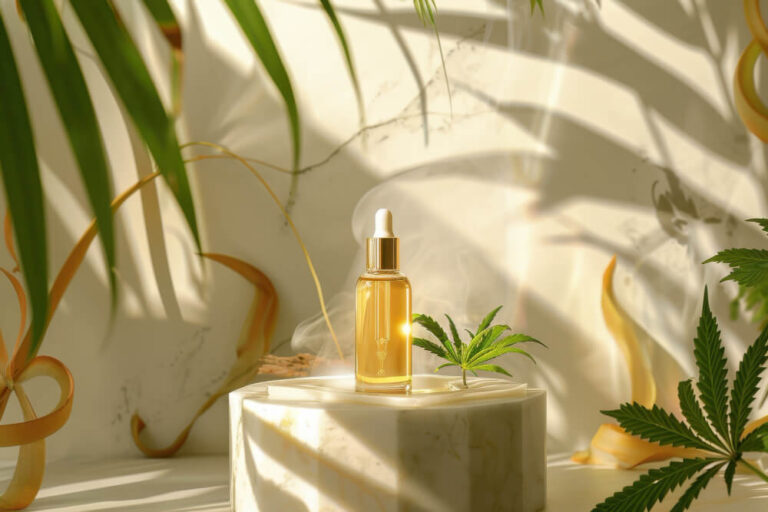
In a world of high-tech serums and lab-formulated treatments, beauty oils stand as a testament to the timeless power of nature. These luxurious, nutrient-rich elixirs have been used for centuries across cultures, from ancient Egyptian rituals to Ayurvedic practices, to nourish, protect, and enhance the skin, hair, and even nails. Today, beauty oils are experiencing a renaissance, not just in clean beauty circles but also among mainstream skincare devotees looking for effective, minimalist solutions.
But what exactly are beauty oils, and why have they become essential in modern skincare routines?
Understanding Beauty Oils: More Than Just Moisture
At their core, beauty oils are plant-derived oils extracted from seeds, nuts, or fruits. Unlike synthetic creams or water-based moisturizers, oils are lipophilic, meaning they can penetrate deep into the skin’s layers, delivering nutrients where they’re needed most. Rich in fatty acids, vitamins (particularly A, C, and E), and antioxidants, these oils do more than moisturize; they repair, soothe, and strengthen the skin barrier.
The key is in their versatility. Beauty oils can serve as:
- Moisturizers: Locking in hydration and preventing trans epidermal water loss.
- Cleansers: Attracting and dissolving impurities, makeup, and excess sebum.
- Serums: Delivering targeted active ingredients to treat specific concerns.
- Protective layers: Shielding the skin from environmental stressors and free radicals.
Popular Beauty Oils and Their Unique Benefits
With dozens of options on the market, each oil brings its own profile of benefits. Here are a few standout stars:
- Argan Oil (The “Liquid Gold”)
Harvested from the kernels of Moroccan argan trees, this lightweight oil is packed with vitamin E and essential fatty acids. It’s ideal for both skin and hair, providing deep nourishment without clogging pores. Argan oil helps reduce inflammation, boost elasticity, and tame frizz, making it a favorite in both skincare and haircare. The frequent application of this liquid gold increases the risk of irritation, breakouts, and clogged pores, particularly for those who are already dealing with oily scalp and facial skin.
- Rosehip Seed Oil
Mostly grown in Chile and derived from the seeds of rose bushes, rosehip oil is revered for its regenerative properties. Rich in vitamin A (a natural retinol), it’s particularly effective in treating scars, fine lines, and hyperpigmentation. Its ability to promote collagen production makes it a natural alternative for those looking to support skin renewal without harsh chemicals. Rosehip oil is for pigmentation and acne marks, protects the skin from sun damage, and is also non-greasy.
- Jojoba Oil
Interestingly, jojoba oil is technically a wax ester, but it mimics the skin’s natural sebum so closely that it’s one of the best oils for oily or acne-prone skin. It balances oil production, soothes irritation, and has antimicrobial properties that can help prevent breakouts. Jojoba oil is good for hair. While jojoba oil could be considered the curly hair whisperer, it’s still packed with benefits for all hair types. The benefit of using jojoba oil is that it can reduce frizz, which gives hair a natural sleek and shine.
- Marula Oil
Native to southern Africa, marula oil is rich in antioxidants, amino acids, and oleic acid. It absorbs quickly and offers intense hydration, making it an excellent choice for dry, aging, or sensitive skin types. Antioxidants and fatty acids possess anti-inflammatory properties, which makes marula oil a two-in-one treatment for red, irritated skin. Because marula oil is lightweight, it absorbs quickly, even for those with severely dry skin, resulting in smoother skin texture and reduced redness.
- Tea Tree Oil
Unlike the others, tea tree oil is an essential oil and should be used sparingly and diluted. It has powerful antibacterial and antifungal properties, making it effective in spot-treating acne and calming irritated skin. Tea tree oil is effective in promoting healthy skin by soothing and healing a wide range of skin issues.
Face, Body, Hair: A Multi-Tasking Marvel
One of the most compelling reasons beauty oils are growing in popularity is their multi-functionality.
- For the Face: Apply as a final step in skincare to lock in hydration, or mix a few drops with moisturizer for extra glow.
- For the Body: Post-shower application helps seal in moisture. Oils like coconut and avocado are excellent for dry skin.
- For the Hair: Used as pre-wash masks, frizz tamers, or scalp treatments. Castor oil is especially popular for boosting hair growth.
The New Oil Era: Innovation Meets Tradition
As the beauty landscape evolves, so too do beauty oils. The past two years have brought in a wave of innovation that blends ancient wisdom with cutting-edge technology:
- AI-Driven Personalized Oils
Platforms like Proven Skincare and Atolla are pioneering AI-powered personalization. Based on skin type, environment, and lifestyle, they create customized oil blends designed to address individual skin concerns, whether it’s dryness, pigmentation, or sensitivity.
- Sustainable & Cold-Pressed Oil Launches
Brands such as Furtuna Skin and Byroe have emerged with a focus on cold-pressed, wild-harvested oils, emphasizing ethical sourcing, soil health, and zero-waste processes. These oils aren’t just functional; they’re part of a sustainability-first beauty model.
- Luxury Oil-Serum Hybrids
The world of prestige beauty is embracing oil-based formulations too. New oil-serum hybrids from companies like Estée Lauder and Drunk Elephant combine the nourishment of oils with powerful actives like retinol, niacinamide, and peptides, offering both sensorial pleasure and clinical results.
Clean Beauty Meets Ancient Wisdom
Today’s beauty landscape is increasingly drawn to clean, ethical, and transparent formulations. Beauty oils fit naturally into this movement. Many are cold-pressed, organic, and free from preservatives or synthetic fillers. Moreover, their single-ingredient nature appeals to consumers seeking minimalist routines and ingredient transparency.
The rise of DIY skincare has also contributed to the appeal; users blend oils with essential oils or natural butters to create customized balms, hair masks, and face oils.
Final Thoughts: A Return to Simplicity
As the beauty industry grapples with overconsumption and product fatigue, beauty oils offer a return to simplicity. Their elegance lies in their purity: one bottle, multiple uses, centuries of wisdom. Whether you’re looking to boost hydration, add glow, or reduce breakouts, there’s a beauty oil that can become your skin’s best ally.
In the end, beauty oils are not just products; they are rituals. A few drops massaged into the face or scalp become moments of mindfulness. And in an age of endless choices, that may be their most powerful benefit of all.
Source: https://researchintelo.com/
Be the first to comment