

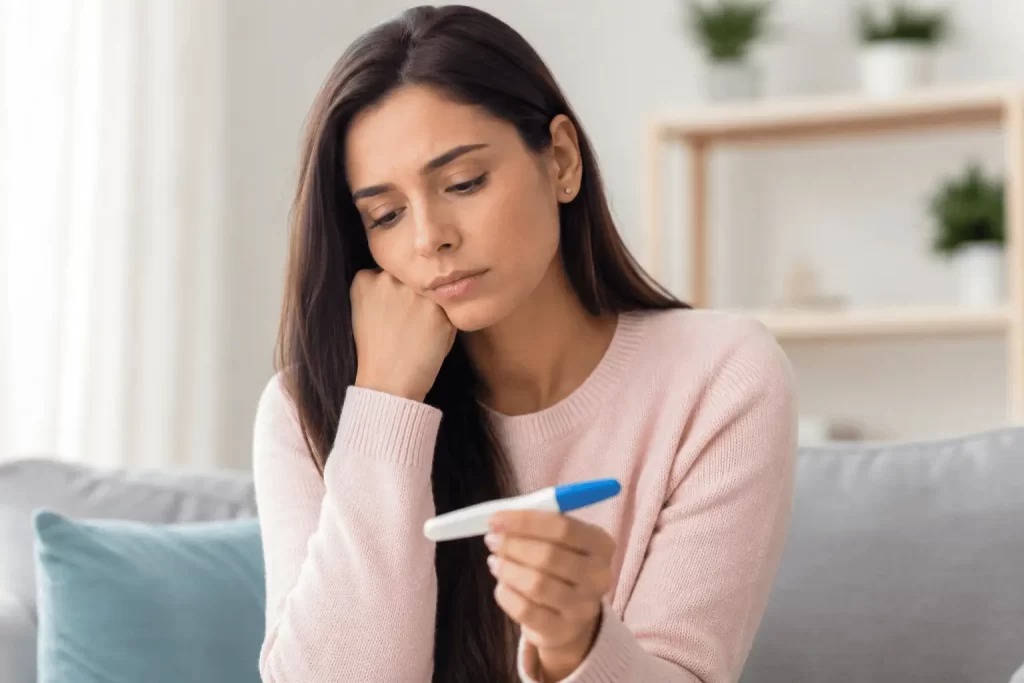
Turning 30 feels like a milestone for most women. Career goals are taking shape, relationships feel more settled, and for many, the thought of starting a family begins to move from “someday” to “soon.” Yet right around this time, a quiet anxiety creeps in — usually sparked by a comment from a doctor, a headline, or a well-meaning relative — about the biological clock.
The truth about female fertility after 30 is more nuanced than most people assume. Yes, age plays a role. But it’s only one piece of a much larger picture. Understanding what actually affects your reproductive health gives you something far more useful than worry — it gives you a plan.
How Age Really Affects Fertility — The Real Numbers
Women are born with all the eggs they will ever have, roughly one to two million at birth. By puberty, that number drops to around 300,000. By the mid-30s, both the quantity and quality of eggs begin declining at a faster pace.
According to the American College of Obstetricians and Gynecologists, women in their early 30s have roughly a 20% chance of conceiving each month with regular unprotected intercourse. By 35, that figure starts to decrease noticeably, and by 40, it drops to around 5% per cycle.
These numbers can sound alarming. But here’s what the statistics don’t show: millions of women conceive naturally in their 30s every year. And for those who need extra support, medical options have advanced significantly.
Lifestyle Habits That Actually Make a Difference
Before jumping to conclusions about what your fertility looks like, it’s worth examining the factors you can genuinely influence. Several well-researched lifestyle habits have a meaningful impact on reproductive hormone balance and egg quality.
Eating to Support Hormonal Balance
The connection between diet and fertility is stronger than most people realize. Insulin resistance — often driven by diets high in refined sugar and processed carbohydrates — is a leading trigger for polycystic ovary syndrome (PCOS), one of the most common causes of irregular ovulation.
A few practical dietary shifts that research consistently supports:
- Eat more whole foods — vegetables, legumes, whole grains, and lean proteins stabilize blood sugar and support hormone production
- Include healthy fats — olive oil, avocados, nuts, and oily fish (like salmon and sardines) provide the building blocks for reproductive hormones
- Cut back on ultra-processed food — not entirely, but significantly; these foods drive inflammation, which disrupts the hormonal environment needed for ovulation
- Watch your soy intake — high amounts of soy-based foods contain phytoestrogens that may interfere with natural estrogen cycles in some women
You don’t need a perfect diet. Small, consistent improvements over weeks and months genuinely shift the hormonal picture.
Sleep — The Most Underrated Fertility Factor
Most people know sleep matters for energy and mood. Fewer realize it directly influences reproductive hormones. The pituitary gland — which releases follicle-stimulating hormone (FSH) and luteinizing hormone (LH), both essential for ovulation — is highly active during deep sleep stages.
Women who regularly get fewer than six hours of sleep show measurably disrupted LH pulses. That disruption can delay or prevent ovulation entirely. Aim for seven to nine hours, keep your sleep and wake times consistent, and treat your bedroom as a genuine recovery space — dark, cool, and screen-free before bed.
Managing Stress Without Dismissing It
“Just relax and it’ll happen” is genuinely unhelpful advice. But the underlying point — that chronic stress affects fertility — is backed by solid research. Elevated cortisol (the stress hormone) directly suppresses GnRH, the hormone that triggers the ovulation cascade.
The goal isn’t to eliminate stress, which isn’t realistic. It’s to build regular recovery practices into your routine:
- A daily 10-minute walk outside does more for cortisol regulation than most people expect
- Journaling, even briefly, has been shown to lower perceived stress markers
- Yoga and slow stretching activate the parasympathetic nervous system, which counteracts the cortisol response
These aren’t alternative medicine — they’re evidence-based tools that work best when practiced consistently, not just during a crisis.
Knowing When to See a Specialist
Here’s the guidance most women actually need but rarely hear clearly: you don’t have to wait until something feels wrong.
Current recommendations from reproductive medicine associations suggest:
- Women under 35 should consult a fertility specialist after 12 months of trying without success
- Women 35–40 should seek evaluation after just 6 months
- Women over 40 — or anyone with known conditions like PCOS, endometriosis, or irregular cycles — should consider consulting a specialist before actively trying
A basic fertility evaluation is not invasive or overwhelming. It typically includes hormone blood tests on specific days of your cycle, an ultrasound to assess ovarian reserve, and — if relevant — a semen analysis for your partner. From there, a specialist can tell you exactly where you stand.
When Natural Conception Needs Medical Support
For women whose fertility evaluations reveal specific challenges, medical intervention doesn’t mean failure — it means accessing tools that exist precisely for this situation.
Depending on the diagnosis, options range from ovulation induction with oral medication, to intrauterine insemination (IUI), to in vitro fertilization (IVF). These aren’t last resorts. They’re evidence-based treatments with decades of clinical refinement behind them.
For women and couples based in the UAE, access to internationally accredited reproductive medicine has expanded significantly.
IVF Treatment in Dubai is now offered at several specialist clinics with individualized protocols, advanced embryo screening technology, and care that addresses both the physical and emotional sides of fertility treatment. Many women choose Dubai specifically because of the combination of clinical excellence and a supportive, discreet environment.
Tracking Your Fertility — A Practical Starting Point
If you’re in your 30s and thinking ahead about family planning, start tracking your cycle now — even before you’re ready to conceive. This data becomes genuinely valuable if you ever consult a specialist.
What to track:
- Cycle length — note the first day of your period each month; a consistent 21–35 day cycle is normal, significant variation is worth investigating
- Basal body temperature (BBT) — take your temperature each morning before getting out of bed; a small rise of 0.2–0.5°C confirms ovulation has occurred
- Cervical mucus changes — around ovulation, discharge typically becomes clearer and more elastic, resembling raw egg white
- Symptoms — note bloating, cramping, breast tenderness, or mood changes across your cycle; patterns over 3+ months are more informative than any single month
Apps like Clue or Natural Cycles can help structure this data and are built on peer-reviewed methodology.
The Bottom Line
Fertility after 30 is not a countdown to a closed window. For most women, it’s a period of heightened awareness — a good time to understand your body better, make the lifestyle choices that genuinely support reproductive health, and get informed about what options exist if you need them.
The most effective thing you can do is combine the habits that are within your control with early, proactive conversations with qualified professionals when the time is right. Knowledge — not anxiety — is your best asset here.
Sources: American College of Obstetricians and Gynecologists (ACOG); World Health Organization PCOS Fact Sheet; NHS guidance on fertility and trying to conceive; Human Reproduction journal (Oxford Academic).
Be the first to comment