

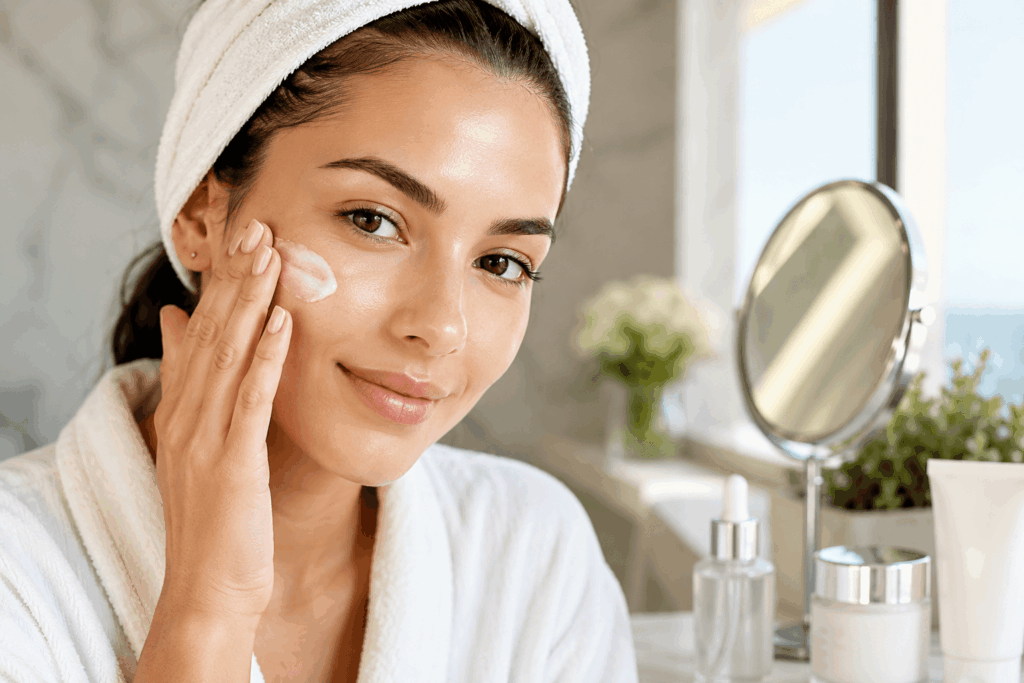
Professional treatments deliver transformative results, but what happens between sessions often determines how long those results last. Skin is dynamic; it reacts to environment, lifestyle, and even stress levels. Without proper care, the benefits of a treatment can fade quickly, leaving clients frustrated. Keeping the skin calm and hydrated is not just about comfort, it’s about protecting the investment you’ve made in your treatments. Think of it as the bridge between appointments — a way to maintain progress and prepare your skin for the next step in its journey.
The importance of hydration cannot be overstated. When the skin barrier is strong and well‑moisturized, it is less prone to irritation, redness, and breakouts. Calm skin also responds better to professional therapies, making each session more effective. By focusing on hydration and soothing care, you create the ideal environment for long‑term improvement.
Understanding Skin’s Natural Recovery Process
After a treatment, the skin begins a recovery phase. This is when cells repair themselves, collagen production is stimulated, and the barrier works to restore balance. Hydration plays a central role in this process. Without enough moisture, the skin struggles to heal efficiently, which can lead to dryness, sensitivity, or uneven texture. Supporting recovery with gentle, hydrating products ensures that the skin remains resilient and continues to improve.
It’s also important to recognize that recovery doesn’t stop after a few hours. Depending on the treatment, the skin may need several days to fully stabilize. During this time, avoiding harsh products and focusing on hydration helps minimize irritation. Clients who respect this recovery window often notice that their results last longer and look more natural.
Everyday Habits That Support Calm, Hydrated Skin
Between sessions, lifestyle choices can make or break your results. Hydration isn’t just topical; it starts from within. Drinking enough water, eating nutrient‑rich foods, and limiting excessive caffeine or alcohol all contribute to healthier skin. On the surface, using gentle cleansers and barrier‑repair moisturisers keeps the skin calm and balanced. Sunscreen is another non‑negotiable, as UV exposure can undo progress by triggering inflammation and dehydration.
Stress management also plays a role. High stress levels can lead to hormonal fluctuations that affect the skin’s ability to stay calm. Simple practices like mindfulness, exercise, or even a few minutes of deep breathing can help keep both mind and skin in balance. Clients who integrate these habits into their routine often find that their skin feels more stable between treatments.
Hydration and Sensitivity: A Delicate Balance
Sensitive skin requires extra attention between sessions. Even minor irritants can trigger redness or discomfort, making hydration essential. Products with soothing ingredients like hyaluronic acid, aloe, or ceramides help calm the skin while reinforcing its barrier. Avoiding fragrances and harsh exfoliants is equally important, as these can disrupt recovery and cause setbacks.
For clients undergoing treatments that target sensitivity or redness, hydration acts as a protective shield. By keeping the skin calm, you reduce the likelihood of flare‑ups and ensure that each session builds on the last. Over time, this consistent care helps sensitive skin become more resilient, allowing for a wider range of treatment options in the future.
Supporting Results with Professional Treatments
While at‑home care is vital, professional treatments provide the deeper support that skin often needs. Hydration therapies, oxygen facials, and collagen‑stimulating procedures all enhance the skin’s ability to stay calm and balanced. These treatments work synergistically with at‑home routines, creating a comprehensive plan that addresses both immediate concerns and long‑term goals.
For clients focused on maintaining smooth, irritation‑free skin, even treatments like the Half Arms Laser Hair Removal Treatment benefit from proper hydration. Keeping the skin moisturised and calm between sessions reduces sensitivity and ensures that results are consistent. Professional guidance helps determine which therapies complement your routine, making it easier to achieve and maintain the complexion you want.
Calm, Hydrated Skin Is the Key to Lasting Results
Skin care doesn’t end when you leave the treatment room. The days between sessions are just as important, shaping how well your skin recovers and how long your results last. By focusing on hydration, soothing care, and healthy habits, you create the perfect environment for your skin to thrive.
Clients who commit to this approach often notice that their treatments feel more effective, their skin looks healthier, and their confidence grows with each session. If you’re ready to elevate your results, start by keeping your skin calm and hydrated between appointments. Book a consultation today to discover how tailored treatments and expert guidance can help you achieve radiant, resilient skin that lasts.
Be the first to comment