

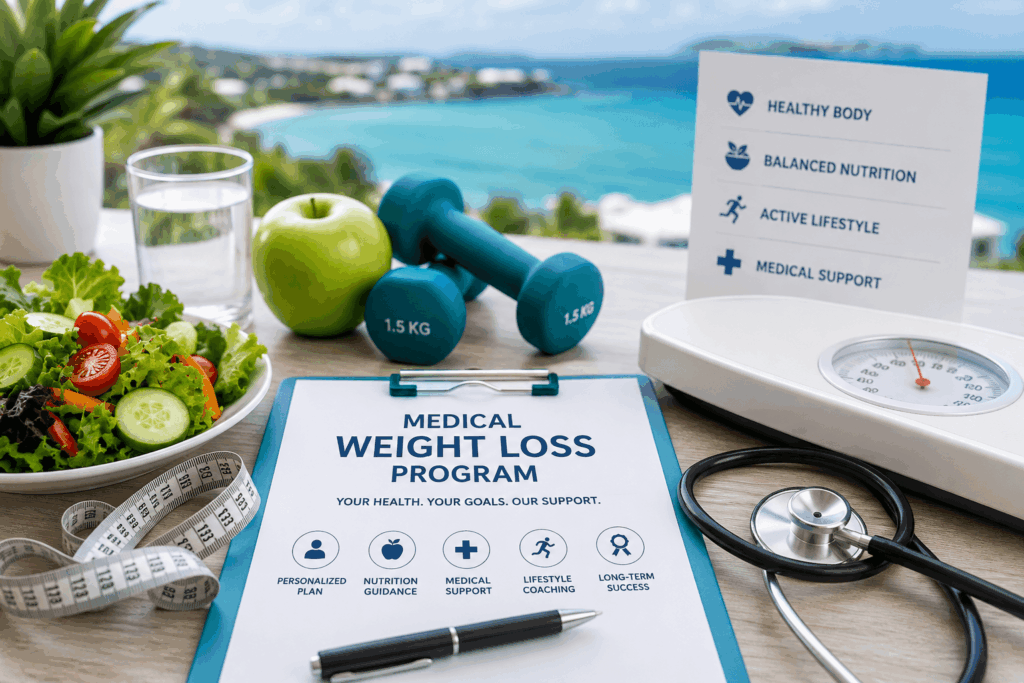
Losing weight can be challenging, especially when traditional diets and exercise plans fail to deliver lasting results. Many people experience temporary success only to regain the weight months later, leading to frustration and reduced confidence. A medically supervised weight loss program offers a personalized, science-based approach that addresses the underlying factors contributing to weight gain while supporting long-term health.
If you’re searching for a Medical Weight Loss Program in Bermuda, choosing a physician-guided program can help you achieve sustainable weight management through customized nutrition plans, lifestyle coaching, medical evaluations, and evidence-based treatments.
At NORTHSHORE MEDICAL & AESTHETICS CENTER, we believe successful weight management is about improving your overall health—not simply reducing the number on the scale. Our personalized medical weight loss programs are designed to help patients lose weight safely, improve metabolic health, and develop healthy habits that support lifelong wellness.
What Is a Medical Weight Loss Program?
A medical weight loss program is a physician-supervised approach to weight management that goes beyond traditional dieting. Instead of using a one-size-fits-all plan, medical professionals evaluate your overall health, medical history, lifestyle, metabolism, and personal goals to create a treatment plan tailored specifically to you.
Unlike fad diets or quick-fix solutions, medical weight loss focuses on identifying and addressing the root causes of weight gain, such as hormonal imbalances, poor nutrition, inactivity, stress, sleep issues, or underlying medical conditions.
A comprehensive medical weight loss program may include:
- Comprehensive health assessment
- Body composition analysis
- Personalized nutrition planning
- Exercise recommendations
- Lifestyle coaching
- Medical monitoring
- Prescription weight loss medications (when clinically appropriate)
- Ongoing progress tracking
- Long-term weight maintenance strategies
The goal is not just weight loss but improving overall health, energy levels, and quality of life.
Why Is Medical Weight Loss Different from Traditional Dieting?
Many popular diets promise rapid weight loss but often fail because they are difficult to maintain over time. Restrictive eating plans can slow metabolism, reduce muscle mass, and increase the likelihood of regaining lost weight.
Medical weight loss takes a different approach by focusing on sustainable lifestyle changes supported by healthcare professionals.
Benefits of Medical Weight Loss
- Personalized treatment plans
- Physician supervision
- Safe and evidence-based methods
- Ongoing progress monitoring
- Improved metabolic health
- Better management of obesity-related conditions
- Increased energy and confidence
- Long-term lifestyle support
Instead of chasing temporary results, patients learn practical strategies that help them maintain a healthy weight for years to come.
Who Can Benefit from a Medical Weight Loss Program?
Medical weight loss programs can benefit adults who want professional guidance to improve their health and achieve sustainable weight loss.
You may be a good candidate if you:
- Have struggled with repeated weight gain
- Have a Body Mass Index (BMI) indicating overweight or obesity
- Experience slow metabolism
- Have high blood pressure
- Are living with prediabetes or Type 2 diabetes
- Have elevated cholesterol levels
- Experience joint pain related to excess weight
- Have difficulty maintaining healthy eating habits
- Want medically supervised support for long-term weight management
A healthcare provider can evaluate your individual health status and recommend the most appropriate treatment options based on your needs.
Common Causes of Weight Gain
Weight gain is rarely caused by one factor alone. Multiple physical, emotional, and lifestyle factors often contribute to changes in body weight.
Some common causes include:
- Poor Nutrition: Frequent consumption of highly processed foods, sugary beverages, and oversized portions can contribute to excess calorie intake.
- Physical Inactivity: A sedentary lifestyle reduces calorie expenditure and may increase the risk of gradual weight gain.
- Hormonal Changes: Hormonal fluctuations may influence appetite, metabolism, and fat storage.
- Stress: Chronic stress may lead to emotional eating and unhealthy food choices.
Lack of Sleep
Poor sleep has been associated with changes in hormones that regulate hunger and fullness.
Medical Conditions
Certain medical conditions and medications may make weight management more difficult.
Understanding these contributing factors allows healthcare providers to create personalized treatment strategies rather than relying on generic diet plans.
Why Choose NORTHSHORE MEDICAL & AESTHETICS CENTER?
At NORTHSHORE MEDICAL & AESTHETICS CENTER, we recognize that every patient’s weight loss journey is unique. Our team provides individualized care based on your health history, lifestyle, and long-term goals.
Our approach includes:
- Comprehensive medical evaluations
- Personalized weight loss plans
- Nutritional guidance
- Lifestyle modification support
- Regular progress monitoring
- Ongoing education and motivation
- Evidence-based treatment recommendations
Rather than focusing on short-term results, we help patients build healthier habits that support lasting success and improved overall wellness.
What Can You Expect During Your First Consultation?
Your initial consultation is designed to help our medical team understand your overall health and identify the most effective path forward.
During your visit, we may discuss:
- Your medical history
- Current weight and health goals
- Previous weight loss attempts
- Eating habits
- Physical activity level
- Sleep quality
- Lifestyle factors
- Current medications
- Existing health conditions
This comprehensive assessment allows us to develop a personalized treatment plan that fits your needs and supports safe, sustainable weight loss.
How Does a Medical Weight Loss Program Work?
A successful medical weight loss program is designed around your unique health profile rather than following a one-size-fits-all diet. After your initial consultation, your healthcare provider develops a personalized plan that addresses your weight-loss goals, medical history, lifestyle, and any underlying health conditions.
At NORTHSHORE MEDICAL & AESTHETICS CENTER, patients receive ongoing support, education, and progress monitoring to help them make sustainable lifestyle changes. The focus is on improving overall health while helping you achieve and maintain a healthy weight.
Personalized Nutrition Plans
Nutrition is one of the most important components of any successful weight management program. Instead of restrictive diets that are difficult to maintain, a medical weight loss program emphasizes balanced eating habits that support long-term success.
A personalized nutrition plan may include:
- Appropriate calorie recommendations
- Portion control strategies
- Balanced meals with lean protein, healthy fats, and fiber-rich carbohydrates
- Hydration guidance
- Meal planning tips
- Healthy snack recommendations
- Mindful eating techniques
The goal is to create healthy eating habits that fit your lifestyle rather than relying on temporary dieting.
Physical Activity Recommendations
Exercise plays an important role in maintaining muscle mass, improving cardiovascular health, and supporting healthy weight management.
Your activity plan may include:
- Walking programs
- Strength training
- Low-impact exercises
- Flexibility and mobility workouts
- Aerobic activities
- Personalized fitness recommendations based on your current health
Regular physical activity also supports better energy levels, improved mood, and overall wellness.
Lifestyle Coaching for Sustainable Results
Successful weight loss involves more than diet and exercise. Lifestyle habits often influence eating behaviors and long-term results.
Lifestyle coaching may focus on:
Stress Management
Chronic stress can influence eating habits and overall health. Learning healthy coping strategies may support your weight-loss journey.
Better Sleep Habits
Quality sleep plays an important role in maintaining a healthy metabolism and regulating appetite.
Behavioral Changes
Patients learn strategies to:
- Reduce emotional eating
- Improve portion awareness
- Build healthier daily routines
- Stay motivated
- Develop long-term healthy habits
These changes help support sustainable weight management.
Medical Monitoring Throughout Your Journey
Unlike many commercial weight loss programs, physician-supervised programs include regular follow-up appointments to monitor your progress.
These visits may include:
- Weight tracking
- Body composition evaluation
- Blood pressure monitoring
- Nutritional review
- Lifestyle assessment
- Goal adjustments
- Treatment recommendations
Regular follow-ups help identify challenges early and allow your treatment plan to evolve as your needs change.
Prescription Weight Loss Medications
For some patients, prescription medications may be considered as part of a comprehensive medical weight loss program when clinically appropriate.
These medications are not a replacement for healthy lifestyle habits but may complement a personalized treatment plan under medical supervision.
A healthcare provider will determine whether medication is suitable based on:
- Medical history
- Current health conditions
- Body Mass Index (BMI)
- Individual treatment goals
Medication decisions should always be made with guidance from a qualified healthcare professional.
Can Medical Weight Loss Improve Overall Health?
Yes. Achieving and maintaining a healthier weight may provide benefits beyond physical appearance.
Weight management may help support:
- Healthy blood pressure
- Improved cholesterol levels
- Better blood sugar management
- Increased mobility
- Reduced strain on joints
- Improved sleep quality
- Higher energy levels
- Greater self-confidence
- Enhanced quality of life
Every patient’s results are different, but sustainable weight management can contribute to long-term wellness.
Tips for Long-Term Weight Management
Maintaining weight loss requires consistency and realistic expectations.
Helpful strategies include:
Eat Balanced Meals
Focus on nutrient-rich foods that provide sustained energy and promote fullness.
Stay Physically Active
Choose enjoyable activities that fit your routine to encourage consistency.
Monitor Your Progress
Tracking weight, measurements, or healthy habits can help maintain motivation.
Stay Hydrated
Adequate hydration supports overall health and may help with appetite regulation.
Set Realistic Goals
Small, achievable milestones often lead to more sustainable long-term success than rapid weight-loss expectations.
Why Professional Support Makes a Difference
Many people attempt multiple diets before seeking professional help. Medical guidance provides personalized recommendations, accountability, and ongoing support throughout the process.
At NORTHSHORE MEDICAL & AESTHETICS CENTER, patients benefit from:
- Individualized care
- Evidence-informed treatment strategies
- Regular progress reviews
- Personalized nutrition guidance
- Lifestyle coaching
- Long-term wellness support
The emphasis is on helping patients build healthier habits that last well beyond the initial weight-loss phase.
Long-Term Weight Management: Building Healthy Habits That Last
Achieving your weight-loss goal is a significant milestone, but maintaining your results is equally important. Long-term success comes from developing sustainable habits rather than relying on temporary diets or extreme exercise programs.
At NORTHSHORE MEDICAL & AESTHETICS CENTER, our medical weight loss program focuses on helping patients create healthy routines that support lifelong wellness.
Some key strategies include:
Continue Regular Medical Follow-Ups
Routine appointments allow healthcare providers to monitor progress, address challenges, and adjust your personalized treatment plan as needed.
Focus on Lifestyle, Not Diets
Instead of following restrictive eating plans, aim for balanced nutrition, mindful eating, and portion control that can be maintained over time.
Stay Physically Active
Regular physical activity supports healthy weight maintenance, cardiovascular health, muscle strength, and overall well-being. Choose activities you enjoy to help make exercise a consistent part of your routine.
Monitor Your Progress
Keeping track of your weight, body measurements, activity levels, or nutrition habits can help you stay motivated and identify changes early.
Prioritize Sleep and Stress Management
Poor sleep and chronic stress may affect appetite, metabolism, and food choices. Healthy sleep habits and effective stress management can support long-term success.
Healthy Lifestyle Habits That Support Weight Loss
Medical weight management extends beyond reducing body weight. Healthy daily habits contribute to better overall health and improved quality of life.
These habits include:
- Eating nutrient-rich foods
- Drinking enough water each day
- Limiting highly processed foods
- Choosing whole grains, fruits, and vegetables
- Including lean protein with meals
- Practicing mindful eating
- Staying physically active
- Managing stress effectively
- Getting adequate sleep
- Following your healthcare provider’s recommendations
Small, consistent improvements often produce more sustainable results than drastic changes.
Common Myths About Medical Weight Loss
Many misconceptions surround physician-guided weight management. Understanding the facts can help you make informed decisions.
Myth 1: Medical Weight Loss Is Only for Severe Obesity
Fact: Medical weight loss programs may benefit individuals with different health goals, including those who are overweight, managing obesity, or seeking professional support for healthier lifestyle changes.
Myth 2: You Have to Follow an Extreme Diet
Fact: Modern medical weight loss emphasizes balanced nutrition and sustainable eating habits rather than restrictive dieting.
Myth 3: Weight Loss Medications Work Without Lifestyle Changes
Fact: When prescribed, medications are intended to complement healthy eating, physical activity, and behavioral changes—not replace them.
Myth 4: Fast Weight Loss Is Always Better
Fact: Gradual, sustainable weight loss is generally more likely to be maintained over the long term than rapid weight loss achieved through extreme methods.
Myth 5: Once You Lose Weight, Your Journey Is Over
Fact: Maintaining a healthy weight requires ongoing attention to nutrition, exercise, sleep, stress management, and healthy lifestyle habits.
Why Choose NORTHSHORE MEDICAL & AESTHETICS CENTER?
Choosing the right healthcare provider can make a meaningful difference in your weight-loss journey.
Patients choose NORTHSHORE MEDICAL & AESTHETICS CENTER because we offer:
- Personalized medical weight loss plans
- Comprehensive health assessments
- Physician-guided care
- Nutrition and lifestyle counseling
- Ongoing progress monitoring
- Evidence-informed treatment recommendations
- Patient-focused support
- Long-term wellness strategies
Our goal is not simply helping patients lose weight but empowering them to achieve better overall health and maintain their results with confidence.
Be the first to comment