

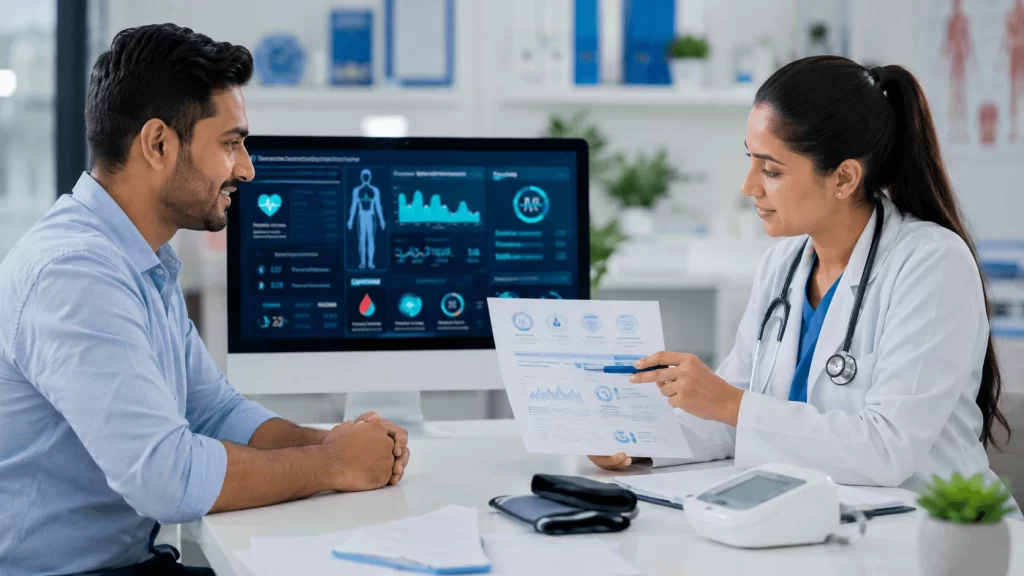
Health issues often develop silently, showing little or no warning signs in their early stages. By the time symptoms become noticeable, a condition may have already progressed and become more difficult to treat. This is why preventive health checkups play a crucial role in maintaining long term health and well being.
Regular health screenings help identify potential medical concerns before they become serious. Early detection allows individuals to take timely action, improve treatment outcomes, and reduce healthcare costs.
What Are Preventive Health Checkups?
Preventive health checkups are routine medical evaluations designed to assess overall health and identify risk factors for various diseases. These examinations typically include:
- Blood pressure monitoring
- Blood sugar testing
- Cholesterol screening
- Kidney and liver function tests
- Complete blood count
- Body mass index assessment
- Heart health evaluation
Depending on age, gender, family history, and lifestyle, additional tests may also be recommended.
Why Early Detection Matters
Many serious conditions develop gradually over time. Diseases such as diabetes, hypertension, heart disease, and kidney disorders often remain unnoticed until complications occur. Early diagnosis offers several advantages:
Improved Treatment Success
Medical conditions identified at an early stage are generally easier to manage and treat. Early intervention can prevent complications and improve quality of life.
Lower Healthcare Costs
Treating advanced disease often requires more extensive medical care. Preventive screenings can reduce the financial burden associated with complex treatments and hospitalizations.
Better Long Term Health
Regular monitoring allows healthcare professionals to track changes in health indicators and recommend lifestyle modifications before major problems arise.
Common Conditions Detected Through Preventive Screening
Here are the common problems can detect
Diabetes
Rising blood sugar levels may not produce noticeable symptoms initially. Routine blood glucose testing can identify prediabetes and diabetes before complications develop.
Hypertension
High blood pressure is often referred to as a silent condition because many individuals experience no symptoms. Regular monitoring helps prevent heart attacks, strokes, and kidney damage.
Cardiovascular Disease
Cholesterol testing and cardiac assessments help identify risk factors associated with heart disease and enable timely preventive measures.
Kidney Disorders
Kidney disease can progress silently for years. Screening tests can detect abnormalities early and help preserve kidney function.
Liver Conditions
Routine liver function tests can identify infections, inflammation, and other concerns before symptoms appear.
Who Should Consider Regular Health Checkups?
Preventive screenings are beneficial for everyone, but they are especially important for:
- Adults over the age of 30
- Individuals with a family history of chronic illness
- People who smoke or consume alcohol regularly
- Those with sedentary lifestyles
- Individuals who are overweight or obese
- People experiencing high levels of stress
Tips for Maintaining Good Health
While regular checkups are important, healthy daily habits remain the foundation of disease prevention.
- Follow a balanced diet rich in fruits and vegetables
- Engage in regular physical activity
- Maintain a healthy body weight
- Get sufficient sleep
- Manage stress effectively
- Avoid tobacco products
- Limit alcohol consumption
Conclusion
Preventive health checkups are one of the most effective ways to protect your health and detect potential medical concerns before they become serious. Investing a small amount of time in routine screenings today can help prevent major health challenges in the future.
Taking a proactive approach to healthcare empowers individuals to make informed decisions, improve overall well being, and enjoy a healthier life for years to come.
Maintaining good health requires a proactive approach that includes regular checkups, a balanced lifestyle, and access to reliable healthcare information. Organizations such as MS Medical Care regularly share educational resources to help individuals make informed health decisions.
About the Author
MS Medical Care is a multi specialty healthcare center dedicated to providing comprehensive medical services, preventive healthcare, diagnostics, and patient education. Learn more about health awareness and wellness resources at https://msmedical.care/
Be the first to comment