

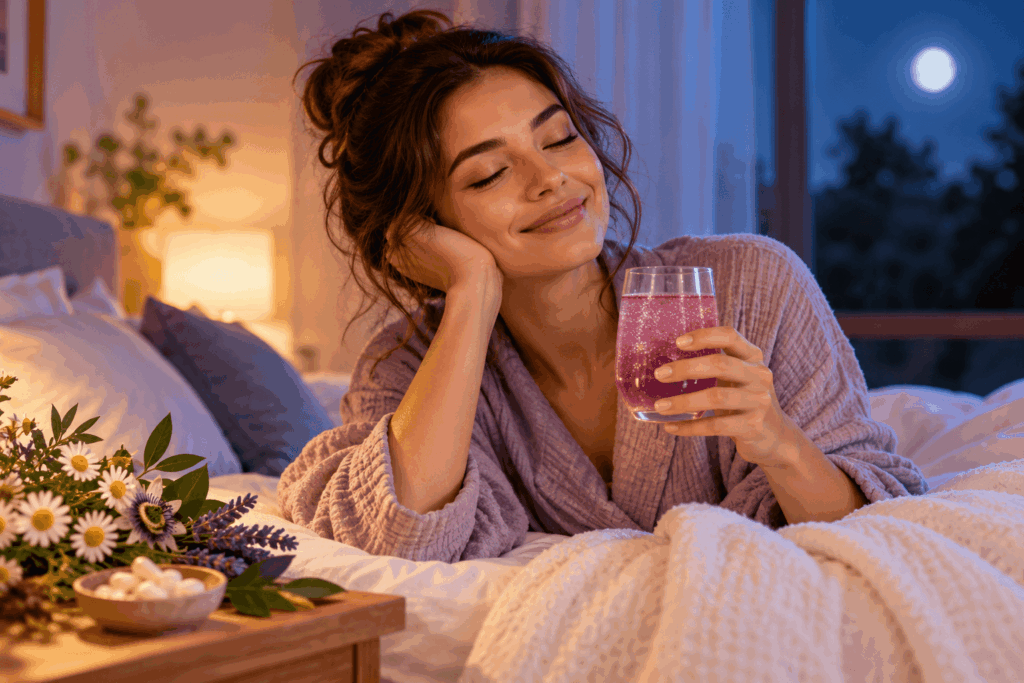
Sleep is not simply a period of inactivity. During the night, the body supports processes involved in memory, emotional regulation, metabolism, immune function, and physical recovery. Yet insufficient sleep remains common among adults. According to the U.S. Centers for Disease Control and Prevention (CDC), 30.5% of U.S. adults slept fewer than 7 hours per 24-hour period on average in 2024. The CDC identifies at least 7 hours as the recommended amount of sleep for adults.
This gap has increased interest in practical bedtime strategies. Established approaches include maintaining regular sleep schedules, reducing evening stimulation, creating a comfortable bedroom, and practicing relaxation techniques. Functional beverages designed for nighttime use, including sparkling sleep tonics, can become one component of such a routine, but they should not replace adequate sleep or evidence-based care.
Why Sleep Routines Matter
The body’s sleep-wake cycle is influenced by circadian timing, environmental cues, daily behaviors, and regular exposure to light and darkness. Maintaining consistent sleep and wake times can provide predictable cues for the body.
Reading, gentle stretching, slow breathing, preparing for the next day, and lowering indoor lighting can create a predictable transition toward sleep. The National Center for Complementary and Integrative Health (NCCIH) notes that relaxation techniques may be helpful components of strategies for improving sleep habits, although evidence for relaxation techniques alone is limited.
Where Sparkling Sleep Tonics Fit
Sparkling sleep tonics are generally positioned as evening functional beverages. Unlike conventional energy beverages, nighttime formulations are commonly designed without high levels of caffeine and may contain ingredients selected for nutritional or relaxation-oriented purposes.
According to DataIntelo, the global sparkling sleep tonics market was estimated at approximately USD 340 million in 2025 and is projected to reach around USD 1.02 billion by 2034, expanding at an estimated CAGR of 13.0% during 2025–2034. These figures indicate commercial interest in sleep-oriented functional beverages, but commercial expansion does not establish that every product or ingredient improves sleep.
Magnesium, L-Theanine, Chamomile, Passionflower, and Melatonin: What Research Says
Magnesium: An Important Nutrient
Magnesium is an essential mineral involved in more than 300 enzyme systems, supporting muscle and nerve function, blood glucose regulation, energy production, protein synthesis, and normal heart rhythm.
Its role in sleep has also been studied. However, NCCIH reports that evidence remains limited. A review of 9 studies involving 7,582 participants found conflicting results, highlighting the need for larger, well-designed studies.
For adults, the NIH sets the tolerable upper intake level for magnesium from supplements and medications at 350 mg per day. This limit excludes magnesium from food and beverages. Excess supplemental magnesium may cause diarrhea, nausea, and abdominal cramping.
L-Theanine and Other Functional Ingredients
L-theanine is an amino acid naturally associated with tea and is increasingly included in functional beverages. However, government health guidance does not establish that beverages containing L-theanine universally improve sleep.
Chamomile
Chamomile is commonly promoted for insomnia and other health purposes. However, NCCIH states that there is very little information regarding its effect on insomnia. Limited evidence does not establish chamomile as a reliable treatment for sleep problems.
Chamomile is generally considered safe when consumed orally in quantities commonly found in teas and foods, but interactions with medications are possible. People taking medicines should discuss herbal products with a health professional when appropriate.
Passionflower
Passionflower is frequently included in products promoted for sleep or relaxation. NCCIH reports that a small amount of research suggests oral passionflower might improve total sleep time in adults with insomnia, but findings concerning sleep onset and staying asleep are mixed.
Passionflower can cause drowsiness, dizziness, or confusion and may interact with medications. Consumers should consider professional guidance before regularly using concentrated passionflower products.
Melatonin-Related Claims
Some nighttime beverages contain melatonin. NCCIH reports that evidence suggests melatonin may improve sleep-onset latency and daytime sleepiness in people with insomnia, but available evidence does not establish improvements across all measures of sleep quality.
NCCIH also notes that clinical guidelines have not recommended melatonin for chronic insomnia because evidence has been insufficient for that purpose. Consumers should distinguish between a beverage marketed for nighttime wellness and a treatment for a diagnosed sleep disorder.
Building a Numerically Structured Bedtime Routine
A simple schedule can make a bedtime routine easier to follow:
| Time | Habit | Purpose |
|---|---|---|
| 60 minutes before bed | Reduce bright screens | Lower evening stimulation |
| 45 minutes | Choose a caffeine-free beverage | Establish a routine cue |
| 30 minutes | Read, stretch, or practice relaxation | Encourage transition toward sleep |
| 20 minutes | Dim indoor lighting | Reduce environmental stimulation |
| Bedtime | Enter a cool, quiet bedroom | Improve comfort |
The Bedroom Is Still Fundamental
A functional beverage cannot compensate for an uncomfortable sleeping environment. Temperature, light, noise, bedding, and other environmental factors can influence comfort during the night.
A practical bedroom routine can include reducing unnecessary light, limiting disruptive noise, selecting comfortable bedding, and maintaining a temperature that feels appropriate for the individual.
Reading the Label Matters
A beverage marketed for nighttime wellness can still contain calories, added sugars, caffeine, concentrated botanicals, or substantial quantities of certain nutrients.
Serving size is particularly important. For example, if one serving contains 12 g of added sugar and the bottle contains 2 servings, drinking the entire bottle provides 24 g of added sugar.
Safety Should Remain Part of the Decision
Functional beverages with concentrated nutrients or botanicals are not automatically risk-free because they are marketed as natural products.
NCCIH notes that supplements and herbal products can interact with medications and are not FDA-approved before sale like drugs. Manufacturers are responsible for safety and labelling.
People taking medications, using multiple supplements, pregnant or breastfeeding individuals, or those with medical concerns should seek professional guidance before regular use.
What Consumers Should Not Expect
Functional sleep beverages should not be expected to erase chronic sleep deprivation. They cannot substitute for adequate sleep duration or correct every behavioral and environmental factor affecting sleep.
For people experiencing persistent insomnia or significant sleep difficulties, a functional beverage should not become the primary intervention. NCCIH identifies multicomponent cognitive behavioral therapy for insomnia (CBT-I) as a strongly recommended treatment approach for adults with chronic insomnia.
A Practical Way to Evaluate a Sleep Beverage
Consumers can use a simple 5-point checklist when evaluating a sparkling sleep tonic:
- Caffeine: Confirm it is suitable for evening use.
- Serving size: Check whether the bottle contains one or multiple servings.
- Added sugar: Compare grams per serving with actual consumption.
- Active ingredients: Check exact amounts of magnesium, botanicals, and other ingredients.
- Personal suitability: Consider medications, allergies, pregnancy, breastfeeding, and individual health needs.
The Bottom Line
Functional beverages can fit into a health-conscious bedtime routine when they are incorporated into broader habits that prioritize sufficient sleep, consistent schedules, reduced evening stimulation, and a comfortable sleeping environment.
Ingredients such as magnesium, L-theanine, chamomile, passionflower, and melatonin appear in nighttime wellness formulations, but government health sources emphasize that evidence and safety profiles vary considerably. Magnesium research remains inconclusive for sleep disorders, while evidence for several herbal products is limited or mixed.
The CDC recommends that adults obtain at least 7 hours of sleep, making sleep duration the foundation of a healthy nighttime strategy.
Use functional beverages as an optional component of a repeatable bedtime routine, read labels carefully, evaluate ingredient quantities, avoid exaggerated claims, and prioritize adequate sleep. A sparkling sleep tonic may become a convenient nighttime ritual, but it should remain an addition to healthy sleep habits rather than the foundation of them.
Reference: https://dataintelo.com/report/sparkling-sleep-tonics-market
Author Bio:
Ashish Kolte is a Marketing Manager at DataIntelo with expertise in marketing, market intelligence, and business strategy. He combines marketing insights with industry research to help organizations understand market dynamics, identify growth opportunities, and make data-driven decisions. His areas of interest include emerging technologies, artificial intelligence, healthcare, industrial markets, and global business trends. Through his writing, Ashish shares research-backed perspectives on evolving industries and strategic market developments.
LinkedIn: https://www.linkedin.com/in/ashishkolte/
Be the first to comment