

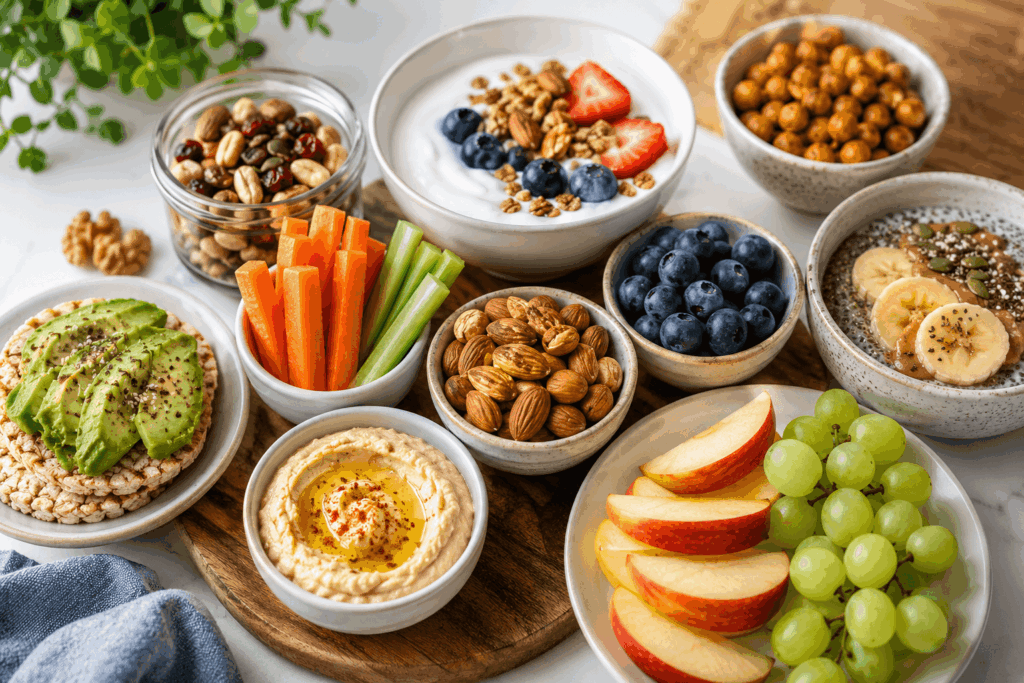
Modern lifestyles have fundamentally changed how people eat. Instead of following three structured meals a day, millions of consumers now rely on multiple eating occasions throughout the day due to hybrid work, long commuting hours, fitness routines, and demanding schedules. This behavioral shift has transformed healthy snacks from occasional convenience products into an essential part of everyday nutrition.
Research by Market Intelo highlights that, the global healthy snacks market was valued at USD 96.7 billion in 2025 and is projected to reach USD 156.8 billion by 2034, expanding at a compound annual growth rate (CAGR) of 6.8% during the forecast period from 2026 to 2034. This steady growth reflects a significant shift in consumer preferences toward nutrient-rich, convenient, and functional foods that fit increasingly busy lifestyles. As health awareness continues to rise, consumers are choosing snacks that deliver sustained energy, support overall wellness, and align with clean-label and balanced nutrition trends.
Rather than simply reducing hunger, today’s consumers expect snacks to deliver measurable health benefits—from sustained energy and improved gut health to higher protein intake and better metabolic support. This evolution is reshaping food innovation, ingredient sourcing, manufacturing technologies, and retail strategies across the global food industry.
The Evolution of Modern Snacking Habits
Consumer eating patterns have shifted significantly over the past decade.
Urban professionals often replace traditional meals with convenient snack options because of unpredictable work schedules. College students prefer portable nutrition during lectures and study sessions. Fitness-conscious consumers require protein-rich foods before or after workouts, while remote workers increasingly consume smaller meals throughout the day.
These lifestyle changes have created demand for snacks that combine convenience with nutritional value instead of empty calories.
Traditional fried snacks are gradually losing preference among health-aware consumers who actively compare nutritional labels before making purchase decisions. They seek products containing:
- Higher protein
- Dietary fiber
- Whole grains
- Healthy fats
- Lower added sugar
- Reduced sodium
- Natural ingredients
The growing availability of nutrition information has made consumers more selective than ever before.
Market Drivers Behind Healthy Snack Adoption
Several measurable trends explain the rapid expansion of the healthy snacks sector.
| Consumer Trend | Industry Impact |
| Rising urbanization | Greater demand for portable foods |
| Hybrid work culture | Increased daytime snacking frequency |
| Fitness awareness | Growth in protein-based snacks |
| Clean-label movement | Preference for natural ingredients |
| Digital grocery shopping | Easier access to premium healthy products |
These factors are encouraging food manufacturers to invest heavily in product innovation.
Nutrition Science Is Driving Product Development
Healthy snacks are increasingly designed using nutritional science rather than simple flavor innovation.
Food technologists now formulate snacks with optimized macronutrient profiles to improve satiety, energy release, and metabolic health.
Common functional ingredients include:
- Plant proteins
- Oats
- Chia seeds
- Flaxseed
- Almonds
- Walnuts
- Quinoa
- Millet
- Chickpeas
- Lentils
- Natural fruit powders
- Prebiotic fibers
These ingredients provide higher nutritional density while improving texture, taste, and shelf stability.
Manufacturers are also replacing artificial preservatives, synthetic colors, and excessive sugars with minimally processed alternatives to meet clean-label expectations.
Protein Has Become the New Competitive Advantage
One of the strongest technical developments within healthy snacks is protein fortification.
Consumers increasingly associate protein with:
- Muscle recovery
- Longer satiety
- Weight management
- Stable blood sugar response
- Better energy throughout the day
As a result, protein content has become one of the primaries purchasing factors for snack products.
Instead of limiting protein to sports nutrition, manufacturers now incorporate it into:
- Snack bars
- Granola
- Roasted legumes
- Yogurt snacks
- Baked crisps
- Seed mixes
- Functional cookies
This broader adoption has significantly expanded the consumer base beyond athletes.
Why Fiber Matters More Than Ever
Dietary fiber has emerged as another critical selling point.
Scientific research consistently links adequate fiber intake with improved digestive health, cholesterol management, satiety, and blood sugar regulation.
Consequently, food companies increasingly enrich snacks using:
- Soluble fiber
- Oat fiber
- Chicory root fiber
- Resistant starch
- Whole grains
- Fruit fibers
Fiber-rich snacks also align with growing consumer interest in gut microbiome health.
Clean Labels Are Reshaping Purchasing Decisions
Today’s shoppers spend more time reading ingredient lists than previous generations.
Consumers increasingly avoid products containing:
- Artificial sweeteners
- Synthetic preservatives
- Hydrogenated oils
- Artificial colors
- High-fructose sweeteners
Instead, simple ingredient lists build trust.
Manufacturers have responded by simplifying formulations while maintaining flavor and shelf life through improved processing technologies and ingredient optimization.
Packaging Innovation Supports Busy Consumers
Packaging now plays a strategic role in healthy snacking.
Manufacturers design packaging around portability, freshness, and portion control.
Popular packaging innovations include:
- Single-serving packs
- Resealable pouches
- Lightweight recyclable materials
- Moisture-resistant barriers
- Sustainable paper-based packaging
These improvements reduce food waste while supporting on-the-go consumption.
Technology Is Improving Healthy Snack Manufacturing
Food engineering has significantly improved healthy snack quality.
Modern manufacturing technologies include:
- Air frying
- Vacuum baking
- Freeze drying
- Low-temperature dehydration
- High-pressure processing
- Extrusion optimization
These techniques preserve nutrients while reducing oil usage and maintaining desirable texture.
Automation has also improved consistency, food safety, and production efficiency.
Functional Snacks Are Moving Beyond Basic Nutrition
Consumers increasingly expect snacks to deliver targeted wellness benefits.
Emerging categories include:
- High-protein snacks
- Gut-health snacks
- Energy-support snacks
- Immune-support snacks
- Brain-health snacks
- Low-glycemic snacks
- Keto-friendly products
- Plant-based snacks
This shift reflects growing demand for personalized nutrition.
Digital Commerce Accelerates Consumer Adoption
E-commerce has transformed healthy snack accessibility.
Consumers can now compare:
- Nutritional values
- Ingredients
- Customer reviews
- Certifications
- Sustainability claims
Subscription services and quick-commerce platforms have further increased repeat purchases by offering personalized recommendations and convenient delivery.
Sustainability Influences Purchasing Behavior
Environmental awareness increasingly affects snack selection.
Consumers favor products that emphasize:
- Sustainable sourcing
- Ethical farming
- Recyclable packaging
- Reduced food waste
- Lower carbon footprints
Manufacturers incorporating sustainability into product development often strengthen brand loyalty among environmentally conscious buyers.
The Business Opportunity Continues to Expand
Healthy snacks are no longer a niche wellness category.
Instead, they represent a rapidly evolving intersection of nutrition science, food technology, convenience, and preventive healthcare.
Manufacturers capable of balancing nutritional quality, taste, affordability, and transparency are likely to remain competitive as consumer expectations continue to rise.
Recent consumer behavior also indicates growing preference for foods perceived as less processed and more natural, reinforcing demand for better-for-you snack options.
Healthy Snacks Are Here to Stay
Healthy snacks have evolved into an essential component of modern eating habits rather than occasional indulgences. Driven by busy lifestyles, increased nutrition awareness, technological advancements, and clean-label preferences, consumers now seek snacks that deliver measurable health benefits alongside convenience.
As innovation continues in protein enrichment, fiber optimization, sustainable packaging, and functional ingredients, healthy snacks will remain one of the most dynamic segments within the global food industry. Companies that prioritize scientific formulation, transparent labeling, and consumer-centric product design will be best positioned to meet the growing demand for smarter everyday nutrition.
Refernce: https://marketintelo.com/report/healthy-snacks-market
Be the first to comment