

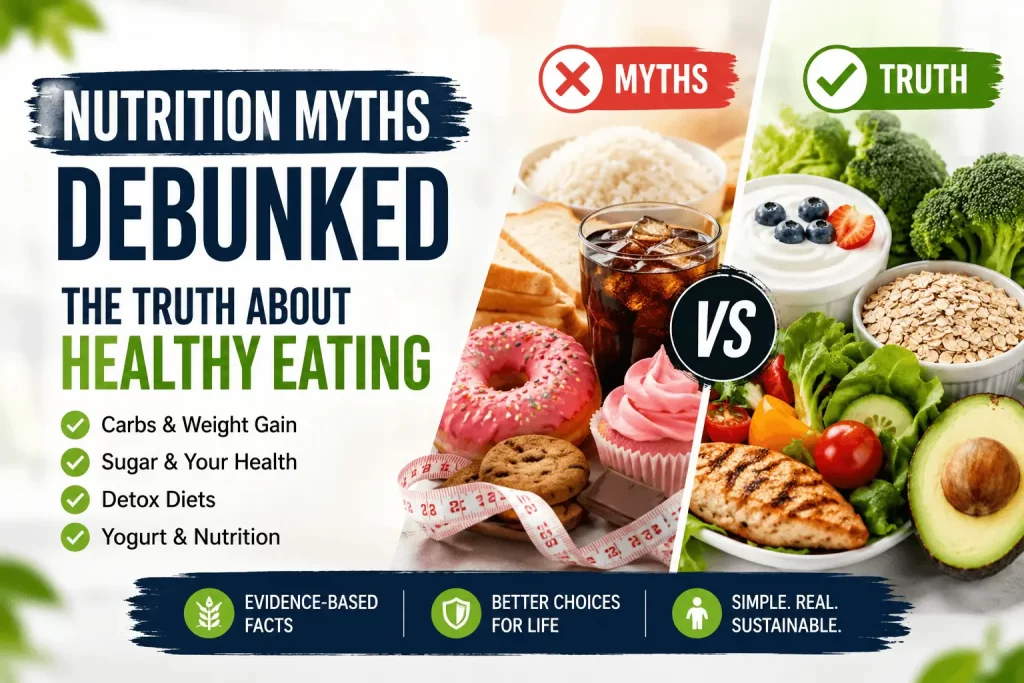
Pseudoscientific nutrition advice has been running rampant in recent years, as every night, thousands of armchair nutritionists hop on TikTok and Instagram to espouse their anti-intellectual nonsense and influence the poor decisions of the masses who are just looking for easy ways to improve their health.
Gone are the days when Michael Mosley and Dr Christian could take to the airwaves and tell us how to live healthier lives, backed up by studies and the opinions of real professionals. Now, the best we can do is Jack, 37, from Cardiff, who works in recruitment and drinks 5 cans of Red Bull a day to ‘cleanse’ his body, and claims that this ‘hidden trick’ will make you lose 5 stone in no time. Brilliant. Thanks for that, Jack.
Anyway, my point is that almost every week, I wind up hearing a new nutrition myth that sounds so preposterous that I scratch my head and think, “there’s no way people are believing this.” Unfortunately, they are. So, when something weird is claimed in your neighbourhood, who you gonna call?
That’s right, a mythbuster. I’m going to bust some of the most common nutrition myths that I’ve heard being confidently spouted all over social media, and put the debates to rest.
‘Carbohydrates Make You Gain Weight’
If you even spend the shortest amount of time locked into the nutrition/health algorithm, you’ll soon see that there’s a new boogeyman on the streets. He breaks into your house and corrupts your household essentials, like bread, rice, pasta, and potatoes. Poor carbs. For years now, they’ve been through one of the most catastrophic PR crises I’ve ever seen.
No, weight gain isn’t automatically caused by carbohydrates. It’s actually caused by your overall energy intake, the amount of activity that you do (or don’t do), and a myriad of other factors. In fact, opting for high-fibre carbs, like oats, wholegrain bread, and beans, can actually support digestive health and fullness, which can prevent snacking.
‘You Need to Completely Cut Sugar’
This one’s at least a bit more understandable. We can all agree that sugar is far too prolific in the sorts of ultraprocessed foods that cover every single shelf and aisle in the supermarket at the moment. But treating it as something that needs to be gone entirely is just absurd.
When we’re talking about sugar, we need to really look at the bigger picture of your diet. You can find plenty of sugar in fruit, dairy products, and even vegetables, and these foods make up essential building blocks of any balanced diet. We need sugar in moderation, and if you completely abandon it, you could be throwing away some excellent sources of vitamins, minerals, and fibre.
‘Detox Diets Cleanse Your Body’
Can we all just collectively agree that these so-called ‘detoxes’ never work sustainably and are often unhealthy – sometimes, they’re flat out unsafe.
The reality is that you don’t need to detox – that’s what your liver and kidneys are for. The detox represents the ultimate shortcut. Yes, they can be less calorific, but they never provide a sustainable diet that can keep you healthy in the long term. Unfortunately, most people who eat a load of takeaways, binge drink a gallon of alcohol, and then do a detox soon return to their takeaway gobbling, alcohol-guzzling ways.
‘All Yogurts Are Bad For You’
Here’s a weird one that’s been doing the rounds lately. I mean, yes, some yogurts are bad for you – they can be highly processed and packed with sugar. But Greek yogurts are actually nutritional; they contain a lot more protein than the standard yogurts you find in meal deals and children’s packed lunches.
In addition, fermented options like kefir yogurts provide live cultures as well as a bunch of other nutrients. Sure, some heavily flavoured varieties will add sugar, so always check the label to make sure it suits your diet.
Conclusion
Despite what a lot of people out there might have you believe, the world of nutrition is not full of forbidden foods and miracle meals. In reality (which feels like a place with an increasingly dwindling population these days), even though we all have different bodies and different goals when it comes to our diet, the best diet is one that you can stick to. Don’t try to gaffa tape together bad eating habits by seeking out the latest superfood shortcut. Instead, make an effort to discover healthier meals that you enjoy preparing and eating. It’s that simple.
Be the first to comment